Juan Brignardello Vela
Juan Brignardello, asesor de seguros, se especializa en brindar asesoramiento y gestión comercial en el ámbito de seguros y reclamaciones por siniestros para destacadas empresas en el mercado peruano e internacional.



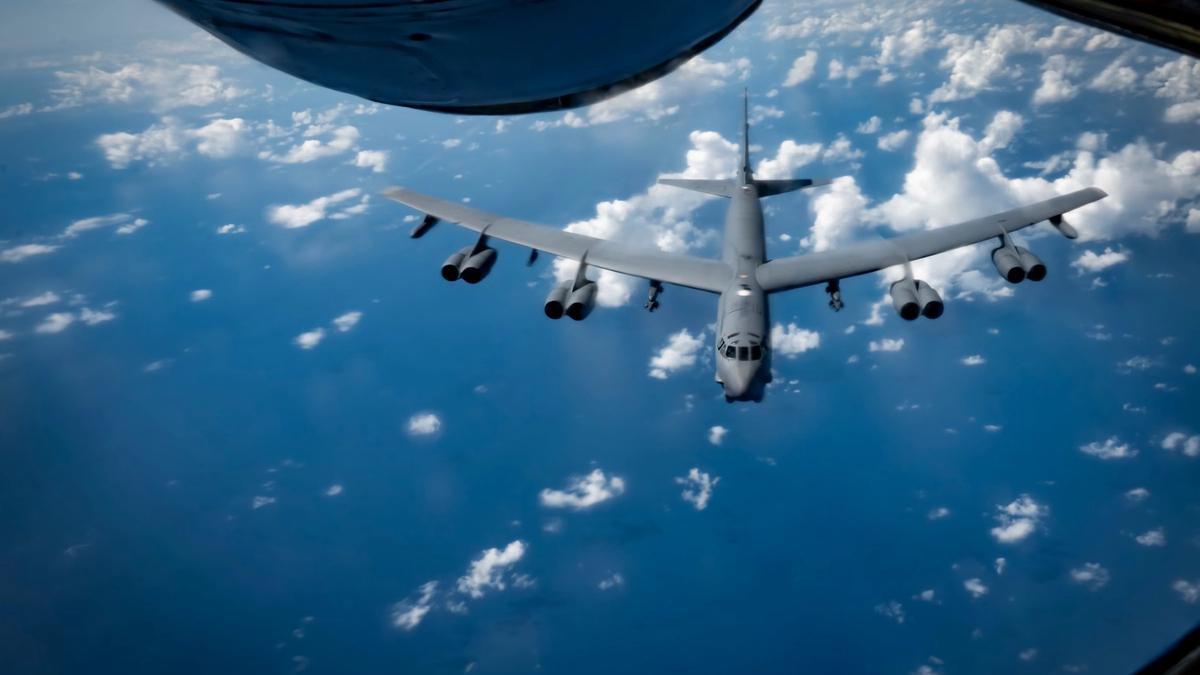
Several international airlines have made the drastic decision to suspend their flights to and from Venezuela in light of security warnings issued by U.S. agencies, in a context marked by increasing tensions and military activity in the region. This move follows an alert from the Federal Aviation Administration (FAA) of the United States, which has urged airlines to "exercise extreme caution" in Venezuelan airspace due to deteriorating security.
Six major airlines, including Iberia, Avianca, TAP Air Portugal, LATAM, GOL, and Caribbean Airlines, have confirmed the cancellation of their operations. Marisela de Loaiza, president of the Venezuelan Airlines Association (ALAV), explained that the duration of these suspensions is still undefined, leaving many passengers in a state of uncertainty.
Despite the cancellations, some airlines, such as Copa Airlines, Air Europa, PlusUltra, and Turkish Airlines, have opted to maintain their regular operations, although with enhanced security measures. For their part, Venezuelan airlines Avior and Wingo have stated that they continue to fly normally, ensuring that they follow all relevant safety recommendations.
The FAA, while not imposing an absolute ban on flights in Venezuelan airspace, has established that any airline that decides to operate in that area must inform the agency at least 72 hours in advance and submit a detailed flight plan. A recent FAA statement warned of an increase in interference with satellite navigation systems in the area and greater mobility of Venezuelan armed forces, which could threaten the safety of aircraft during different phases of flight.
Reports indicate that several civilian flights have experienced navigation failures while crossing Venezuelan airspace, possibly due to devices emitting false signals that can compromise critical communication and safety systems in aircraft even at great distances.
The climate of tension is not limited to airspace but is reflected in the growing instability in the region. The recent mobilization of aircraft carriers and other U.S. Navy vessels in the Caribbean, with the declared goal of combating drug trafficking, has raised concerns. U.S. authorities have conducted operations against more than 20 suspicious vessels since September, resulting in the tragic loss of over 80 lives. This situation has led some analysts to consider that Nicolás Maduro's government may interpret these movements as an attempt at pressure for regime change.
Starting November 24, the United States will apply a terrorism designation to an organization they have termed the "Maduro cartel," alleging that it is involved in drug trafficking and is directly led by the Venezuelan president. The FAA has stated that it will continue to assess the air security situation in the South American country and will take the necessary measures to protect U.S. civil aviation, while the international community watches with concern the growing militarization and instability in the region.
Sismos En Lima Revelan Vulnerabilidad Y Falta De Cultura De Aseguramiento En La Ciudad
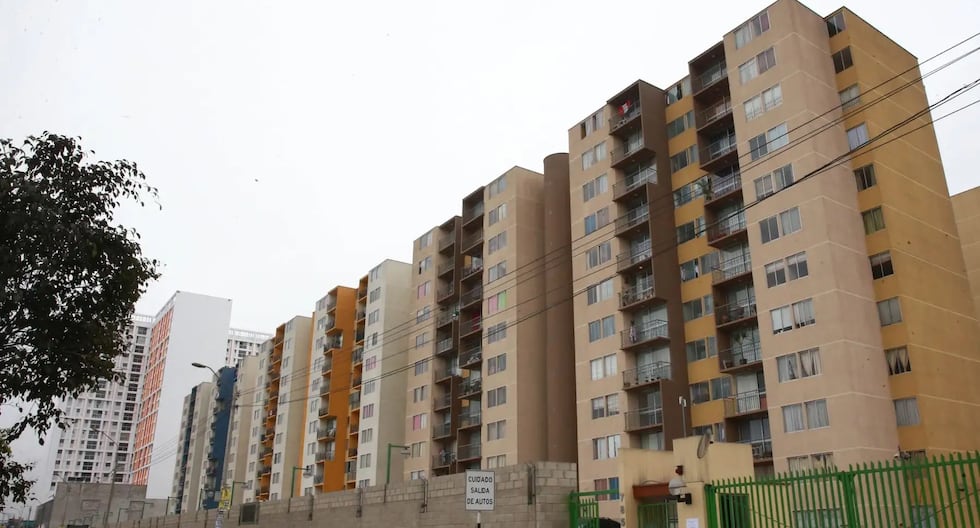
ANIN Enfrenta Desafíos Tras Paralización De 21 Proyectos De Infraestructura Clave
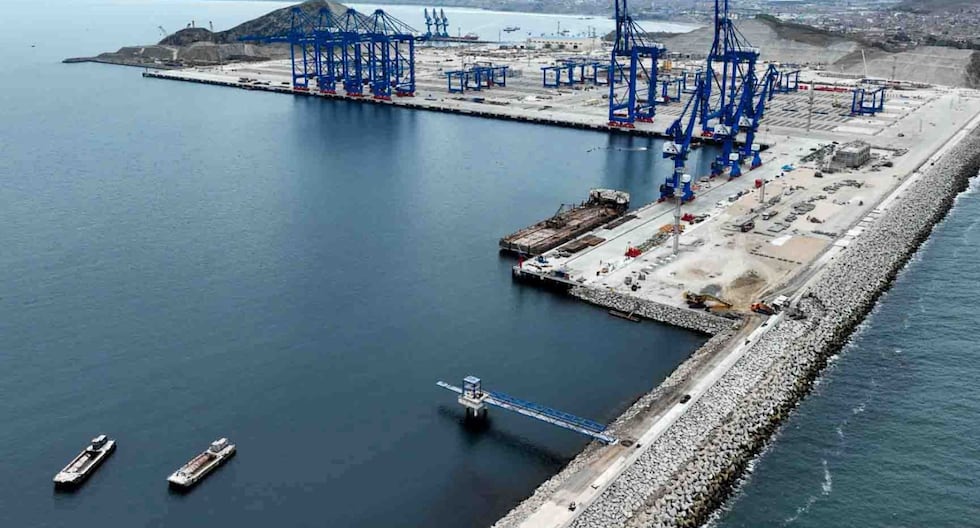
Desafíos Y Expectativas Del Eje Callao-Chancay En La Agenda Económica De Perú

:format(jpg):quality(99):watermark(f.elconfidencial.com/file/bae/eea/fde/baeeeafde1b3229287b0c008f7602058.png,0,275,1)/f.elconfidencial.com/original/8a4/d2d/c70/8a4d2dc70e97189abf69d12b2713d731.jpg)